

The way we work has undergone a massive shift in recent years. Gone are the days of isolated cubicles and uninspiring office layouts. Instead, co-working spaces have become the heartbeat of modern work culture, offering a blend of flexibility, community, and innovation. Whether you’re a freelancer looking for an inspiring workspace, a startup searching for an affordable office solution, or even a large business embracing hybrid work, co-working spaces offer a dynamic alternative to traditional offices.
But what makes a co-working space effective? And how does its design impact productivity and collaboration?
Co-Working Spaces vs. Traditional Offices
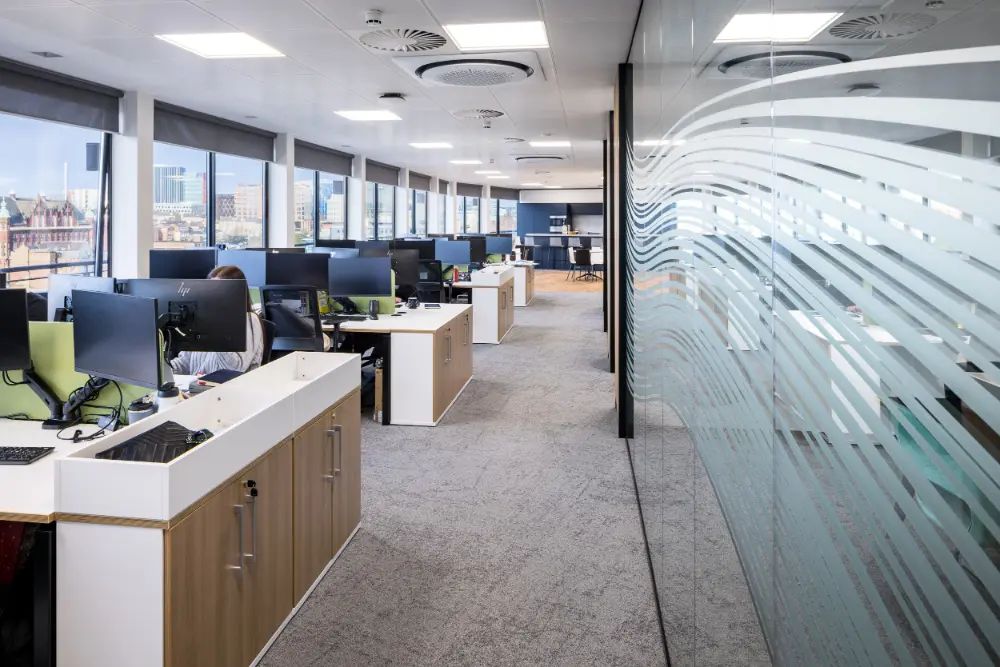
One of the most significant differences between co-working spaces and traditional offices is flexibility. Unlike conventional offices with fixed layouts and assigned desks, co-working spaces prioritise adaptability.
- Modular furniture allows spaces to be easily reconfigured.
- Movable partitions create private work areas when needed.
- Multi-use spaces can transform from solo work zones to collaborative meeting areas in moments.
This adaptability makes co-working spaces ideal for individuals and teams with varying needs.
Types of Co-Working Spaces
Co-working spaces are not one-size-fits-all. They come in various forms, each catering to different needs:
- Open-Plan Shared Workspaces
The classic co-working environment, open-plan spaces encourage interaction and energy. Picture long communal tables, comfortable seating, and plenty of natural light. Ideal for freelancers, entrepreneurs, and small teams, these spaces create a vibrant atmosphere for creative collaboration.
- Private Offices in Co-Working Hubs
For those who need privacy without sacrificing the benefits of a co-working community, private offices offer the best of both worlds. These enclosed spaces provide a quiet, focused work environment while still granting access to shared amenities and networking opportunities.
- Niche Co-Working Spaces
Some co-working spaces cater to specific industries or professional needs. Examples include:
- Tech hubs with high-speed internet and specialised software.
- Creative studios for designers and artists, equipped with industry tools.
- Wellness-focused workspaces featuring meditation areas and ergonomic furniture.
By tailoring environments to particular industries, niche co-working spaces foster deeper connections among like-minded professionals.
Key Benefits of co-working Spaces
Co-working spaces are more than just trendy workplaces, they offer tangible benefits that boost productivity, well-being, and professional growth.
- Improved Well-Being and Mental Health
Studies have shown that professionals in co-working spaces report higher levels of psychological well-being compared to those in traditional offices. The reasons:
- Autonomy: The ability to choose where and how to work reduces stress.
- Community: Regular social interactions combat loneliness, a common challenge for remote workers.
- Design: Thoughtful layouts with natural light, ergonomic furniture, and relaxation areas contribute to mental and physical health.
- Enhanced Collaboration and Networking
Co-working spaces bring together professionals from various backgrounds, creating opportunities for knowledge sharing and unexpected collaborations. A freelance writer might find themselves discussing a project with a marketing consultant, while a developer might exchange ideas with a designer. These interactions often lead to innovation and new business opportunities.
- Increased Job Satisfaction and Work-Life Balance
One of the biggest advantages of co-working spaces is the balance they provide between professional and personal life. Unlike working from home, which can blur boundaries, a co-working space offers a structured environment that fosters productivity without feeling rigid.
- Cost-Effective Solutions for Startups and Small Businesses
For startups, renting a traditional office can be a financial burden. Co-working spaces provide an affordable alternative with flexible membership options. Startups can scale their space needs as they grow without being tied to long-term leases.
- Thoughtful Design Enhances Productivity
Great co-working spaces aren’t just functional, they’re designed to boost focus, creativity, and comfort. Elements like:
- Biophilic design: Incorporating plants and natural materials.
- Varied seating options: Quiet zones, collaboration areas, and lounges.
- Acoustic solutions: To balance open space energy with noise control.
These factors contribute to a workplace where people want to be.

What Makes a Great Co-Working Space?
The best co-working spaces strike a balance between community and functionality. Key elements include:
- Flexible design: Spaces that adapt to different work styles.
- Aesthetic appeal: Inspiring environments that energise professionals.
- Comfort and ergonomics: Furniture and layouts that support long hours of work.
- Community-building initiatives: Events and networking opportunities that make members feel connected.
Ready to Transfer Your Office?
Co-working spaces have transformed the way we work, offering dynamic environments that boost productivity, foster collaboration, and improve overall well-being. Whether you’re looking for a space to focus, network, or grow your business, the right co-working setup can make all the difference.
Get in touch with our team today to discuss how we can help design a co-working workspace that not only looks great but also works perfectly for your business.